NEWS
University of Bahrain and UN-Habitat Implement Research Project to Study Tubli Bay’s Ecosystem
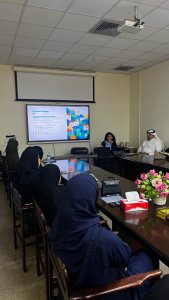
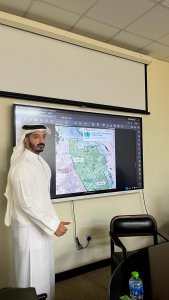

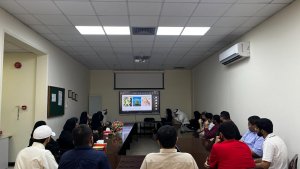
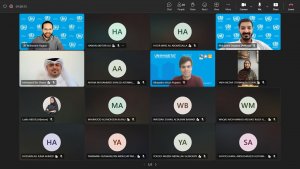
The University of Bahrain, in partnership with the United Nations Human Settlements Programme (UN-Habitat), is implementing an integrated research project to support efforts to restore the ecosystem in Tubli Bay, through specialized scientific studies that provide a knowledge base to support environmental planning, decision-making, and achieving the Sustainable Development Goals in the Kingdom of Bahrain. These efforts form part of a broader partnership between the United Nations Human Settlements Programme (UN-Habitat), the Supreme Council for Environment, and HSBC to support the restoration and sustainable management of the mangrove ecosystem in Tubli Bay.
The project includes two main components. The first is conducting a comprehensive environmental study of the mangrove ecosystem in the Ras Sanad area, covering the assessment of vegetation cover, biomass, and carbon stock, as well as water quality, soil and sediment properties, physical, chemical, and microbiological indicators, and the analysis of environmental pollutants, in accordance with scientific methodologies and internationally recognized standards.
The second component focuses on assessing the social and economic value of the Tubli Bay ecosystem, studying its usage patterns by different community groups, measuring visitor preferences, and estimating the economic value of the environmental services provided by the bay, thereby supporting sustainable management policies for coastal areas.
The University of Bahrain is undertaking the project’s implementation through a specialized committee comprising a number of academics and experts from the Colleges of Engineering and Science, chaired by the Dean of the College of Engineering, Dr. Haifa bint Ebrahim Al Khalifa, reflecting the university’s role in employing scientific research and academic expertise to serve national priorities, particularly the protection and sustainability of coastal ecosystems, through the integration of engineering, scientific, and social disciplines, and transforming research results into applied knowledge that supports planning and decision-making.
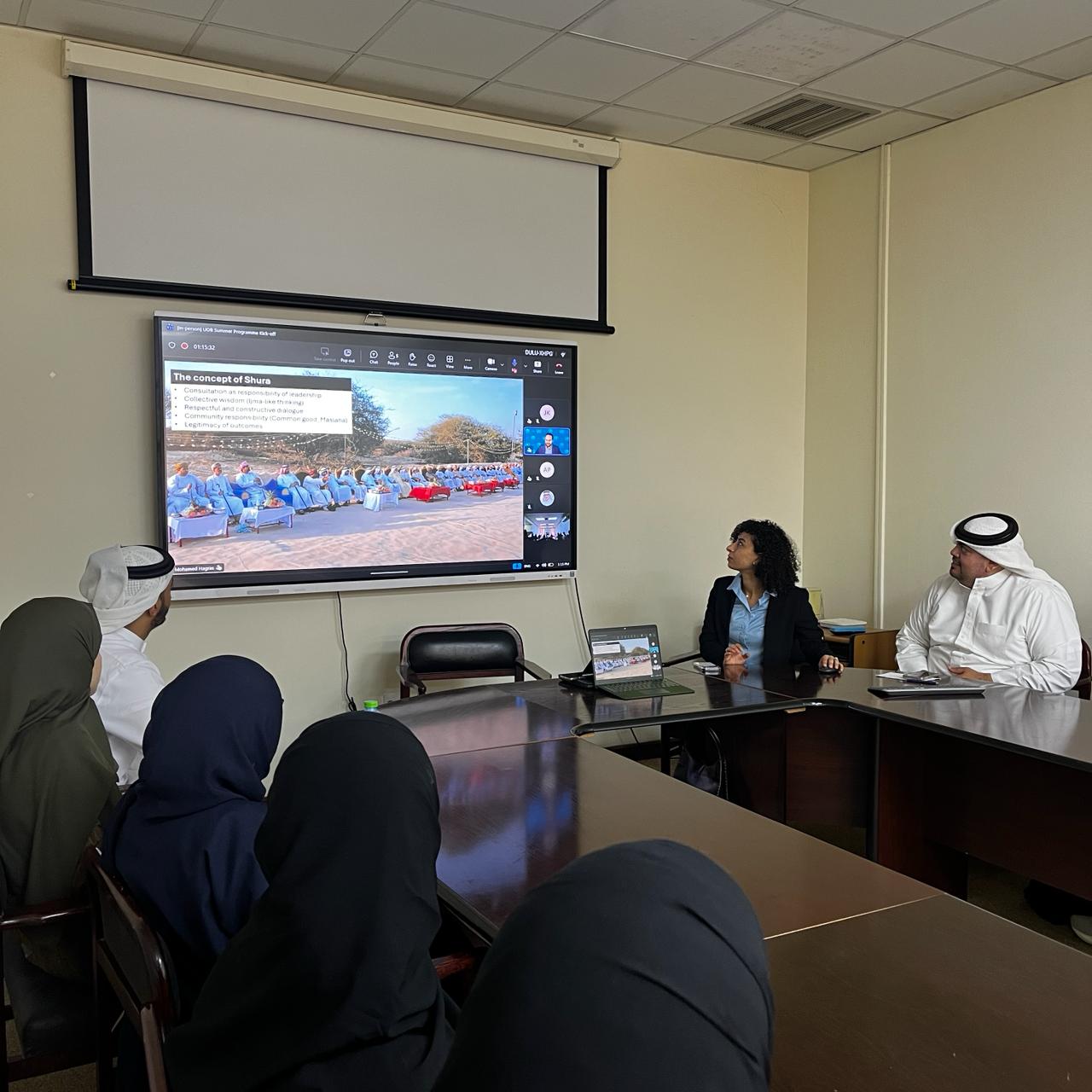
The project also ensures the involvement of University of Bahrain students in its various field and research stages, enabling them to gain practical experience in conducting studies and analyzing data, and contributing to the preparation of qualified national cadres capable of participating in future environmental and developmental projects.
Internship students are participating in the fieldwork teams, particularly in implementing the socio-economic study in collaboration with UN-Habitat, through data collection, contributing to field studies, and analyzing their results, which strengthens the link between academic education and practical application, and develops their research and professional skills.
The project reflects the University of Bahrain’s commitment to dedicating its scientific and research expertise to serving the community, strengthening its partnerships with international organizations, and contributing to addressing environmental challenges and achieving the Sustainable Development Goals in the Kingdom of Bahrain.