NEWS
University of Bahrain Wins First Place at European E-Learning Conference
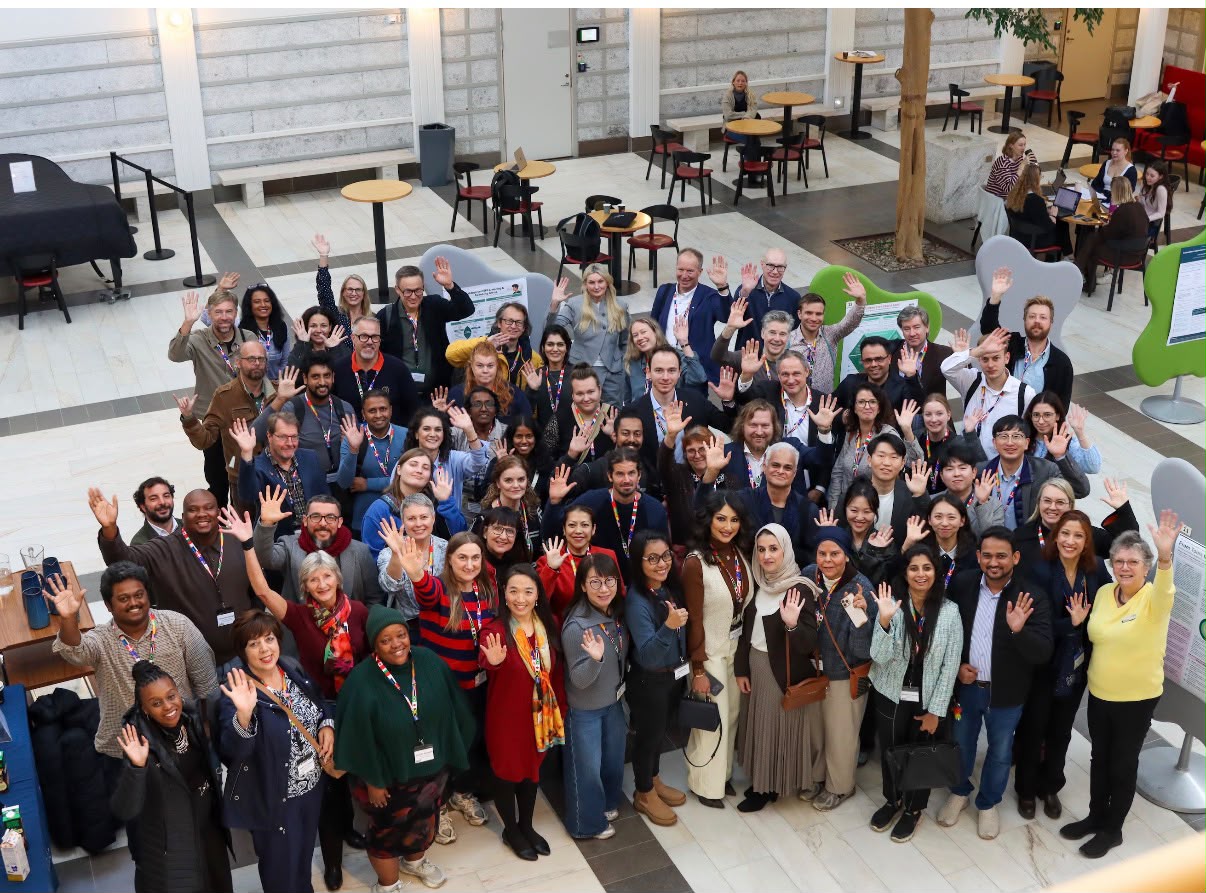
Three academics from the College of Arts and a student from the College of Information Technology at the University of Bahrain won first place for Best Scientific Research and Innovative Idea in the E-Learning Excellence Awards at the 25th European Conference on e-Learning (ECEL 2026). The conference was hosted by Lund University in the Kingdom of Sweden and brought together academics, researchers, and specialists from around the world.
The award recognized a research project titled “BASAI: Bloom’s Adaptive Scaffolding through Artificial Intelligence” . The project offers an innovative model for using artificial intelligence in education. Rather than giving students ready-made answers, it responds to their input and poses adaptive questions that adjust to each student’s level of thinking. Drawing on Bloom’s Taxonomy of cognitive levels, it helps learners progress from understanding to analysis and evaluation, and it strengthens their higher-order thinking skills.
The project won first place after reaching the final round and presenting to an international jury and an audience of conference academics. The study was also published in an
international volume on excellence in e-learning, which is indexed in Scopus and several other reputable academic databases.
The research team comprised Dr. Eman Ibrahim Al Doseri, Assistant Professor and Head of the Department of English Language and Literature in the College of Arts; Dr. Ghada Ahmed Jasim, Assistant Professor in the same department; Dalal Abdulkarim Ahmed, Senior Lecturer in the department; and Abdulla Yasser, a student in the College of Information Technology.
In a related achievement, Dalal Abdulkarim Ahmed also won first place in the conference’s scientific poster competition for “Adaptive Listening and Speaking Game Aligned with the Common European Framework of Reference for Languages.” This innovative educational project is an adaptive game that develops listening and speaking skills in line with the framework’s proficiency levels (CEFR). It offers an interactive learning experience that adapts to each learner’s level and language ability.