NEWS
BENEFIT Advanced AI & Computing Lab at University of Bahrain Records Growth in Research and Applied Innovation 53 research papers and 269 citations mark the lab’s progress over four years
The BENEFIT Advanced AI & Computing Lab at the University of Bahrain has recorded notable growth in its research and applied activities over four years, having contributed to the completion and publication of 53 research papers and studies that collectively received 269 citations between 2022 and 2025, reflecting the lab’s growing impact and presence in the research community.
The lab’s research output increased by 47% in 2025 compared with the previous year, with its researchers’ work published through a number of the world’s leading academic publishers and platforms, including Springer, Elsevier, IEEE and MDPI, reflecting the quality of its output and its expanding international presence.
The lab’s research output has spanned a broad range of scientific and applied fields, most notably the use of AI in medical image analysis and brain tumor diagnosis, the development of solutions to improve traffic flow in smart cities, and the detection of unusual activity in Internet of Things networks.
The research also extended to the development of techniques for early detection of plant disease and crop health assessment, alongside advanced studies in computational chemistry, solar energy technologies, and materials science.
The BENEFIT Advanced AI & Computing Lab is the product of a strategic partnership between the University of Bahrain and BENEFIT, the Kingdom of Bahrain’s leading company in financial technology and electrical financial transaction services.
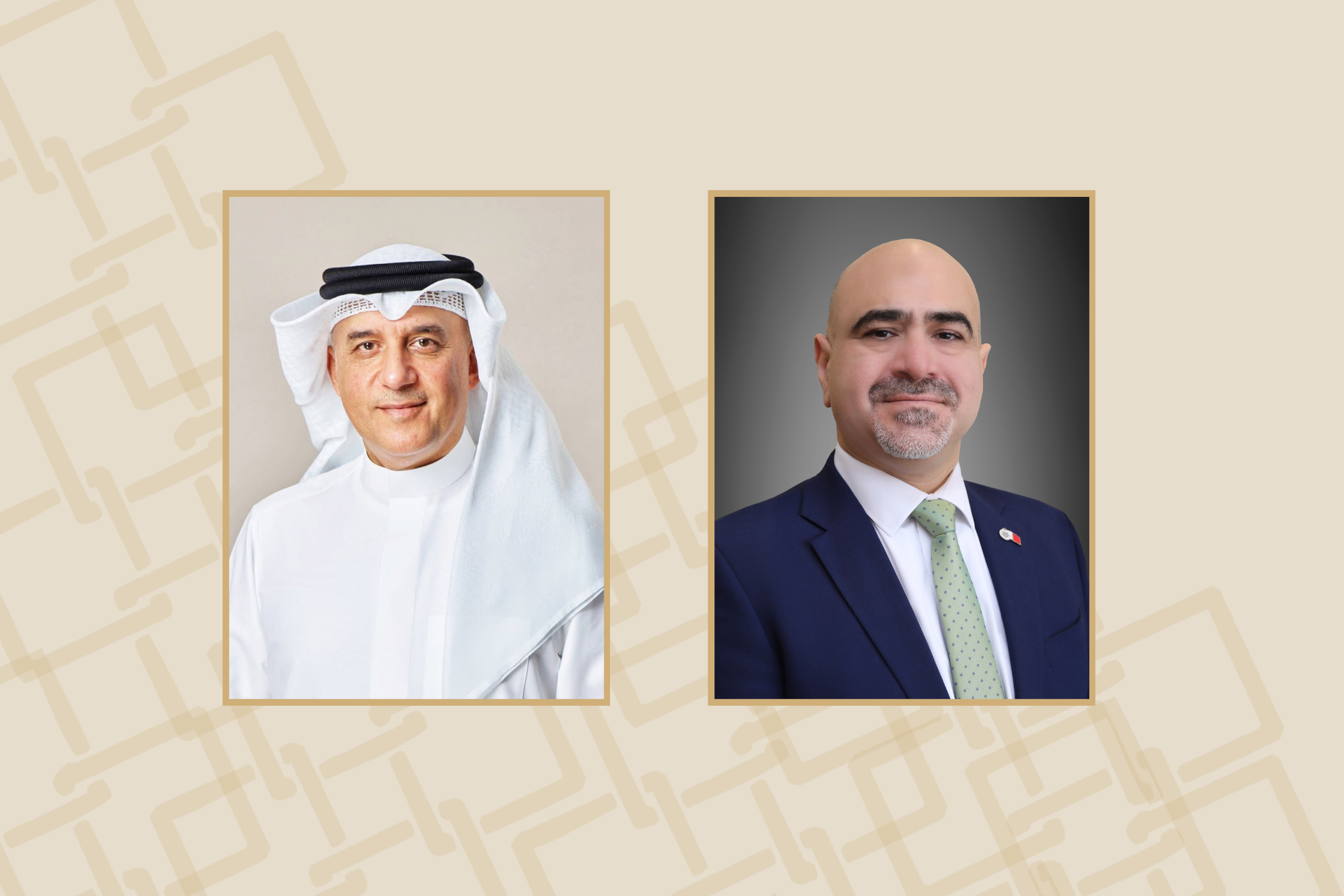
Mr. Abdulwahed AlJanahi, Chief Executive at BENEFIT, said: “These results demonstrate the growing value of partnership between the private sector and academic institutions in building a research ecosystem capable of connecting scientific knowledge with the needs of different sectors. Through the high-performance computing infrastructure and specialized expertise the lab provides, researchers have been able to carry out advanced studies and develop applications that address real-world challenges in vital fields, opening the way for promising ideas to transition from the academic environment into actual use.”
He added: “BENEFIT will continue to invest in initiatives that help develop qualified national talent, drive innovation, and support the development of AI-based solutions with a sustainable economic and social impact, in line with the priorities of digital transformation in the Kingdom of Bahrain.”
Dr. Fuad Mohammed Al-Ansari, President of the University of Bahrain, commented: “The lab reflects the productive collaboration between the University of Bahrain and BENEFIT and represents a valuable addition to the University’s research ecosystem, given the specialized computing resources it provides to faculty members and graduate students in support of multidisciplinary research conducted to high scientific standards.”
He added: “This partnership has helped connect academic capabilities and technical expertise with the needs of different sectors. We look forward to continuing to work with BENEFIT to build on the progress achieved and to develop modern research and technologies that support the development and innovation-driven economy in the kingdom of Bahrain.”
The lab has also received international recognition after being highlighted in UNESCO’s Artificial Intelligence Readiness Assessment Methodology (RAM) Report for the Kingdom of Bahrain. The report identified the lab as one of the models supporting local innovation and national capacity-building in this field.
The lab was also one of the pillars that contributed to the University of Bahrain winning the 2025 eGovernment Excellence Award in the Public Sector category for the “UOB Digital Innovation Ecosystem” project, in recognition of its role in supporting applied research and strengthening cooperation between the academia and private sectors.
The number of registered accounts on the lab has exceeded 700, while 285 researchers, including faculty members, postgraduate students and external parties, have benefited from its services.
The lab has organized specialized workshops in accelerated computing and deep learning and has supported two startup projects. The first focused on medical image analysis to help diagnose spinal conditions, while the second involved developing an intelligent assistant for documenting meetings using language processing and speech recognition technologies.